
TRW & Co · Education and institutions
Setting Up an International School in Singapore: Approvals and Structure
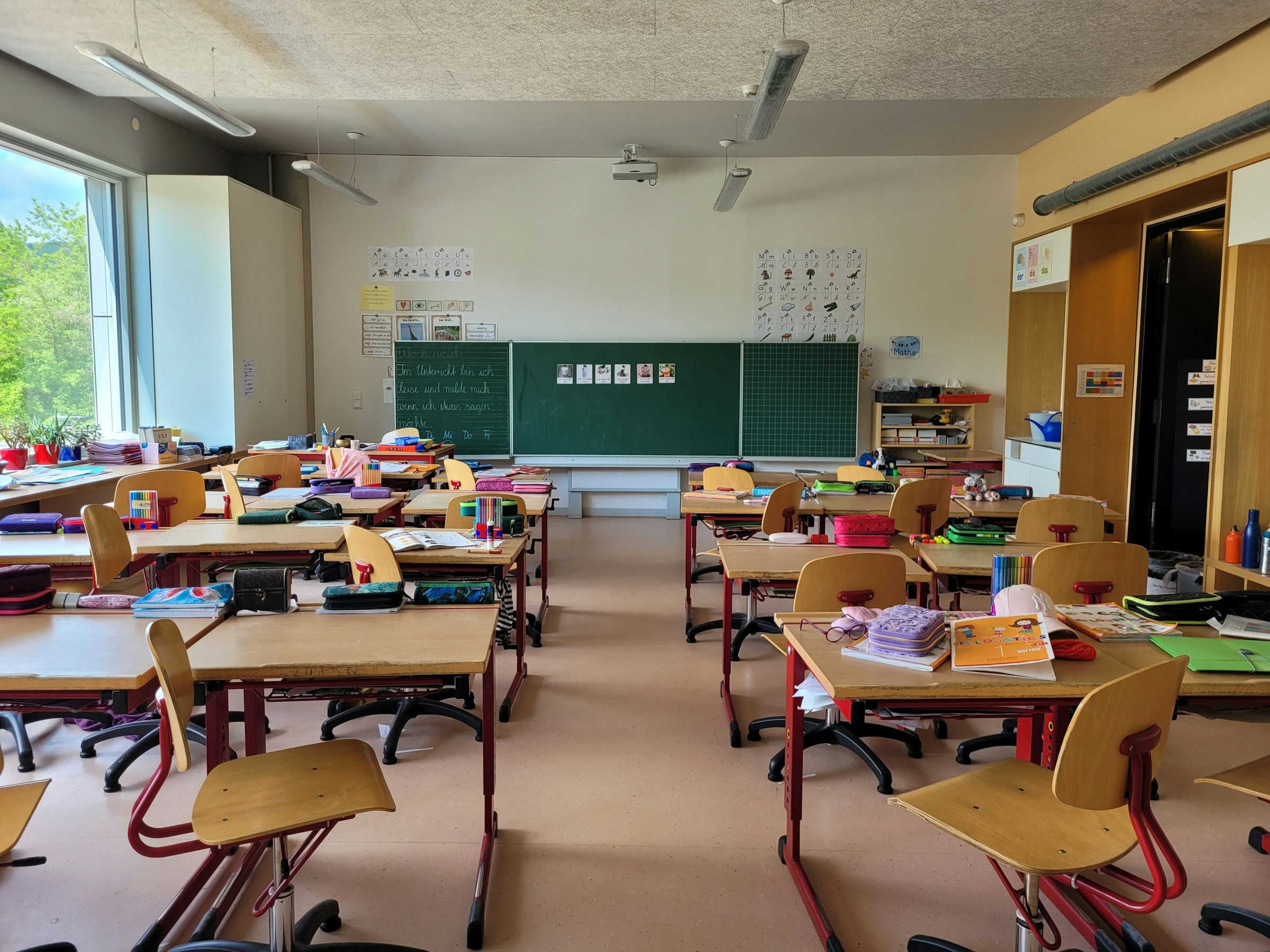
Setting up international school in Singapore means registering a foreign system school under the Private Education Act, securing premises approved for school use, and building an admissions model around Student's Pass rules and limited Singapore Citizen enrolment. Land is usually the real constraint, so the property strategy should start before the regulatory application.
Key pointForeign system schools register under the private education framework, not with MOE's private schools registry, and Singapore Citizens generally need MOE approval to attend them. Build the business case on expatriate demand and secure approved premises first.
At a glance
Register as a PEI
Full-time foreign system schools register under the Private Education Act 2009, not under MOE's registration system for other private schools.
New regulator from July 2026
The Skills and Workforce Development Agency, formed from SSG and Workforce Singapore, began operating on 1 July 2026 and administers the private education framework.
Government school sites
EDB's January 2024 exercise offered greenfield FSS sites on 30-year leases and a brownfield site through a Price and Quality tender.
Student's Pass hosting
ICA recognises foreign system schools as host institutions; Dependant's Pass holders can study without a Student's Pass while their pass is valid.
Singaporean enrolment limited
Singapore Citizens of compulsory school age generally need MOE approval to attend an FSS, and international schools report that approvals are scarce.
Swipe or scroll →
The short answer: what approvals you need
Setting up international school in Singapore means operating what the Government calls a foreign system school (FSS): a privately run school offering full-time primary or secondary education under a foreign or international curriculum. Such schools register as private education institutions under the Private Education Act 2009, not with the Ministry of Education's private schools registry. Land, premises approvals, Student's Pass hosting and the rules on enrolling Singapore Citizens complete the picture.
The regulatory approval is achievable for a well-prepared operator. The harder constraints are commercial: finding a site zoned and approved for school use, building a governance and academic structure that satisfies the regulator, and designing an admissions model around the limited number of Singaporean students who may enrol.
This article walks through those approvals in the order an operator will meet them, and the structuring choices that sit behind them.

For the wider regulatory landscape across private institutions, preschools and universities, see our practice page on education institutions in Singapore.
The regulatory framework and who regulates whom
Singapore separates private schools into two registration systems. The Ministry of Education registers private schools under the Education Act, which requires schools to be registered before they operate. But MOE’s own licence guidance states that foreign system schools offering full-time primary or secondary education under a foreign or international curriculum fall outside that system and must instead register under the private education framework.
The private education framework is the Private Education Act 2009. It was administered by the Committee for Private Education under SkillsFuture Singapore. The Skills and Workforce Development Agency, formed from the merger of SkillsFuture Singapore and Workforce Singapore, began operating on 1 July 2026 and institutions' published notices state that it now exercises the functions under the Act. Applications, contracts and policies should use the current regulator's name.
| Area | Framework | Regulator or body | What it means for an international school |
|---|---|---|---|
| Registration to operate | Private Education Act 2009 and the Enhanced Registration Framework | Skills and Workforce Development Agency (previously CPE under SSG) | Mandatory registration before operating; governance, academic and disclosure standards |
| Quality mark | EduTrust certification | Same regulator | Voluntary, but in practice linked to hosting students who need a Student's Pass |
| Land | State land allocation for foreign system schools | Inter-agency committee chaired by EDB, with SLA, URA, MOE and others | Dedicated sites are released through requests for interest and tenders |
| Premises | Planning and fire safety controls | URA, SCDF or HDB as relevant | Approved use for education and fire safety clearance for the building |
| Student immigration | Student's Pass regime | Immigration and Checkpoints Authority | FSS are a recognised category of host institution |
| Singapore Citizen pupils | Compulsory education policy | Ministry of Education | Citizens generally need MOE approval to attend an FSS |
Registration under the Private Education Act
Registration is the formal gateway for setting up international school in Singapore. Every private education institution must register before it operates, and registration must be renewed when it expires. The GoBusiness listing for PEI registration is a practical guide to what the regulator expects to see. For a school, the core items are:
- the operating entity's ACRA business profile;
- approval of use for the premises from URA or HDB, a floor plan and a Fire Safety Certificate;
- course or programme write-ups, and the curriculum owner's permission where a third-party curriculum is used;
- declarations for each manager and evidence of the academic and examinations governance structure;
- a sample student contract and sample certificates; and
- financial documents demonstrating the operator's capacity to run the school.
Registered institutions must publish key information, typically including their registration status, premises, managers, permitted courses, teachers' qualifications and fees. Treat the disclosure page as a compliance document: inaccurate information creates regulatory and contractual risk.
Our guide to education licensing pathways explains the registration requirements in more detail. Confirm with the regulator how each Enhanced Registration Framework requirement applies to a full-time school model, because frameworks designed for adult and post-secondary providers do not always map neatly onto a K-12 school.
EduTrust and international recruitment
EduTrust is a voluntary certification recognising institutions with high standards of governance and student protection. For an international school, it is rarely optional in practice: schools state publicly that EduTrust certification is required before they can enrol international students who need a Student's Pass. Most international school families hold Dependant's Passes, but older students and those whose parents' passes lapse may need a Student's Pass, so plan for EduTrust from the outset.
Land and premises: the real constraint
Premises usually determine the timeline for setting up international school in Singapore. A school needs land or a building approved for educational use, sized for its planned enrolment and compliant with fire safety requirements. Converting an office or shophouse is rarely workable beyond small early-years or tuition operations.
The Government allocates dedicated sites for foreign system schools. In January 2024, EDB announced a request for interest and a tender exercise for FSS sites. Greenfield sites zoned for education were offered through the request for interest with 30-year leases, assessed on the quality of the proposal, the school's track record, its ability to meet market demand and the operator's financial ability. A brownfield site was offered through a Price and Quality tender with a maximum tenure of nine years. The inter-agency committee, chaired by EDB, included SLA, MAS, MOE, MTI, MCCY, SkillsFuture Singapore and URA.
Operators who are not in a site exercise can lease or acquire existing school premises, such as a former school building or an approved educational facility. Lease terms, permitted use, reinstatement obligations and the remaining tenure all need careful review; see our pages on property acquisition and commercial leasing. Planning permissions and change of use are covered by our planning and development controls team.
Do not sign a long lease or start fit-out until you have confirmed, in writing, that the premises can obtain approval for school use and fire safety clearance at your planned capacity. The classroom capacity you disclose to the regulator, and to parents, must match what the premises are approved for.
Students: passes, Singapore Citizens and the admissions model
Student's Pass hosting
The ICA Student’s Pass page lists foreign system schools and privately funded schools as one of the categories of institution that can host Student's Pass holders, with separate requirements for each category. Holders of a Dependant's Pass or Long-Term Visit Pass do not need a Student's Pass for full-time non-religious study while their pass is valid, but must apply for one if that pass expires or is cancelled. Admissions teams therefore need a process to track pass status throughout a student's enrolment.
Singapore Citizens
Singapore Citizens of primary and secondary school age are generally expected to attend national schools under compulsory education policy, and need MOE approval to attend a foreign system school instead. International schools publicly describe these approvals as limited, with far more applicants than approvals available. A business plan that depends on substantial Singaporean enrolment is unlikely to be realistic.
Our guide to enrolment and student passes covers attendance monitoring and reporting duties.
Choosing the operating structure
The entity choice affects governance, tax, funding and how the regulator views the operator. Three models are common when setting up international school in Singapore:
- Private company limited by shares. Suits proprietary school groups and investor-backed operators. Shareholder agreements must address control, funding of capital works and exit, and any change of control or managers may require regulatory notification.
- Company limited by guarantee. Suits community or non-profit schools governed by a parent-elected or foundation board. It may later seek charity or IPC status; see our page on charities and philanthropy.
- Branch campus of a foreign school. Some overseas schools operate through a Singapore subsidiary licensed to use their name and curriculum. The licence, quality assurance rights and termination provisions become critical regulatory documents.
Whichever model is chosen, the operating entity should be incorporated early; see our company incorporation team. Foreign teachers and leaders will need work passes, which our employment pass team can plan alongside the registration timetable.
Step-by-step: setting up international school in Singapore
- Define the model. Curriculum, age range, target enrolment, fee level and whether the school is proprietary, non-profit or a branch campus.
- Secure the site. Pursue a Government site exercise when one opens, or identify approved premises. Confirm approved use, capacity and fire safety before committing.
- Incorporate and govern. Set up the operating entity, appoint managers who meet fit-and-proper expectations and constitute academic and examinations governance.
- Build the compliance file. Curriculum documentation and permissions, teacher qualifications, student contract, refund and complaints policies, safeguarding and data protection policies.
- Apply for registration. Submit the PEI registration with all supporting documents and respond promptly to queries. Do not advertise or collect fees for courses before they are permitted.
- Plan EduTrust and passes. Prepare for EduTrust certification if the school will host Student's Pass holders, and set up pass tracking for all enrolled students.
- Recruit staff. Apply for work passes for foreign teachers and leaders, aligned with the opening date and the regulator's teacher deployment requirements.
Illustrative scenario: a European school group's first campus
This scenario is illustrative only and does not describe any real client or matter.
School Group F runs bilingual schools in Europe and wants to open a Singapore campus for 600 students aged 3 to 18. It considers leasing an office building and converting it, but planning advice confirms that change of use for a full-time school at that scale would be difficult. F instead submits a proposal in a Government site exercise and, while awaiting the outcome, leases a former school building on a shorter term to open with the early years and primary sections.
F incorporates a Singapore subsidiary, licenses its curriculum and brand to it, and appoints a local board with academic and examinations committees. It drafts a student contract that complies with the regulator's requirements and its own home-country standards. Because most families hold Dependant's Passes, F initially focuses on registration, then works towards EduTrust certification before its secondary section admits students who will need Student's Passes. F's financial model assumes very few Singapore Citizen pupils.
Risks and common mistakes
Registering with the wrong regulator
Foreign system schools offering full-time primary or secondary education under a foreign or international curriculum register under the private education framework, not with MOE's private schools registry. Operators who start with the wrong application lose months. Confirm the correct registration route at the outset, and check whether any early-years or enrichment activities need separate treatment under other licensing regimes.
Committing to premises before approvals
The most expensive mistake is signing a long lease or starting fit-out before confirming that the premises can be approved for school use at the planned capacity, with fire safety clearance. Planning, fire safety and building approvals each have their own timelines. Build approval conditions into the lease, or negotiate a conditional agreement, so that the operator is not locked into premises it cannot use.
Overestimating Singaporean enrolment
Singapore Citizens of compulsory school age generally need MOE approval to attend a foreign system school, and approvals are limited. Business plans built on significant local enrolment are unlikely to survive contact with that policy. Model the school on expatriate demand, and treat any Singaporean enrolment as upside rather than a base case.
Treating EduTrust as optional
EduTrust is voluntary in law but, for a school that will host Student's Pass holders, it is effectively a commercial necessity. It assesses governance, student protection and quality systems over time, so it cannot be obtained at the last minute. Build the records and policies EduTrust will review from day one.
Weak safeguarding and data governance
Schools hold sensitive data about children and are expected to have robust safeguarding systems. Gaps surface in inspections, parent complaints and incidents, and can damage registration and reputation. Put in place safeguarding policies, staff vetting, incident reporting and PDPA-compliant data handling before opening; see our guide to education safeguarding obligations.
Cross-border angle
International schools are cross-border by design. Curriculum licences, accreditation by overseas bodies, brand licences from a parent school and intra-group service agreements all need to be aligned with Singapore registration requirements. Investors from Bangladesh, the UAE, the UK and China often use Singapore as a regional education hub, and the governance and contract structure chosen at the outset will affect later expansion or exit. Where funds flow between group entities, transfer pricing and withholding tax should be considered early.
TRW & Co coordinates the corporate, property, regulatory and employment workstreams across our offices. Contact us to discuss the steps involved in setting up international school in Singapore.
Checklist before you commit
- Is the school a foreign system school offering full-time education under a foreign or international curriculum?
- Have you identified premises that can be approved for school use at your planned capacity?
- Is there an open Government site exercise, and does your track record fit its criteria?
- Which operating structure suits your governance, funding and exit plans?
- Is the compliance file ready: curriculum, teachers, student contract, policies and financials?
- When will you need EduTrust, and what records will support it?
- Does your enrolment model work with very limited Singapore Citizen approvals?
Working through these questions early is the most reliable way to keep setting up international school in Singapore on schedule and within budget.
Frequently asked questions
01Who approves a new international school in Singapore?
Foreign system schools offering full-time primary or secondary education under a foreign or international curriculum register as private education institutions under the Private Education Act 2009. MOE's own licence guidance states that they fall outside its private school registration system. Since 1 July 2026 the Skills and Workforce Development Agency has administered the Act. Premises approvals, Student's Pass hosting and work passes involve URA, fire safety authorities, ICA and MOM.
02Do international schools need EduTrust certification?
EduTrust is voluntary in law, but international schools state publicly that it is required before they can enrol international students who need a Student's Pass. Most international school families hold Dependant's Passes, so a new school can open without it, but secondary students and those whose parents' passes lapse may need Student's Passes. EduTrust reviews governance, student protection and quality systems over time, so prepare from the outset.
03Can Singaporean children attend an international school?
Singapore Citizens of compulsory school age are generally expected to attend national schools and need MOE approval to attend a foreign system school. International schools describe these approvals as limited, with far more applicants than approvals available. Young children below primary school age may attend preschool sections, subject to the approval requirement once they reach primary school age. A new school's enrolment model should assume very few Singapore Citizen pupils.
04How do international schools get land in Singapore?
The Government periodically releases dedicated sites for foreign system schools. In January 2024, an EDB-led inter-agency committee launched a request for interest for greenfield sites on 30-year leases and a Price and Quality tender for a brownfield site with a maximum tenure of nine years. Outside such exercises, operators lease or acquire premises already approved for educational use, after confirming capacity and fire safety clearance.
05What structure should an international school use?
Proprietary operators usually use a private company limited by shares, with a shareholder agreement covering control, capital funding and exit. Community and non-profit schools often use a company limited by guarantee with a parent or foundation board, and may later seek charity status. Overseas schools frequently operate through a Singapore subsidiary under a curriculum and brand licence. The choice affects governance, tax, funding and regulatory notifications on changes of control.
06How long does it take to open an international school?
There is no fixed timeline. Registration itself depends on the completeness of the application and the regulator's queries, but premises are usually the critical path: identifying a site, obtaining approval for school use, fit-out and fire safety clearance can take considerably longer. Government site exercises have their own schedules. Plan registration, premises, staffing and work passes as parallel workstreams with a single opening date in mind.
Sources and official materials
- GoBusiness: Certificate of Registration of School (MOE) — MOE private school registration and the exclusion for foreign system schools
- GoBusiness: Registration of Private Education Institutions — Documents typically required for PEI registration
- EDB: Request for Interest and tender exercise for Foreign System Schools — Government land exercise, lease tenures and evaluation criteria
- ICA: Student's Pass — Host institution categories and Dependant's Pass holders
- Ministry of Education — National education policy, including compulsory education
General information only, current as at 20 October 2026. It is not legal advice and does not create a lawyer–client relationship. Singapore law and regulatory practice change; check current official sources and take advice on the facts of your matter.



