
TRW & Co · Trade, Regulation & ESG
Trade Finance Documentation in Singapore
Trade finance in Singapore turns on documents. Letters of credit, guarantees and standbys pay against paper, and facilities lend against goods and receivables the bank never sees. This guide explains the ICC rules, Singapore's distinctive approach to guarantee calls, security and registration, MAS's AML expectations, electronic documents and the mistakes that most often stop payment.
Key pointSingapore courts can restrain a call on a performance bond for unconscionability as well as fraud, so the wording and governing law of a guarantee materially change both sides' leverage.
At a glance
ICC rules govern
Letters of credit use UCP 600, demand guarantees URDG 758, standbys ISP98 and collections URC 522; they apply only because the instrument incorporates them.
Five banking days
Under UCP 600 a bank has a maximum of five banking days after presentation to examine documents and must list all discrepancies in one notice.
Unconscionability ground
Singapore courts may restrain performance bond calls for unconscionability as well as fraud, as confirmed in BS Mount Sophia v Join-Aim [2012] SGCA 28.
Register charges on time
Registrable charges created by Singapore companies generally must be registered with ACRA within 30 days, or may be void against a liquidator.
Electronic records recognised
The Electronic Transactions Act 2010 recognises electronic transferable records, but credits must expressly allow electronic presentation for banks to accept them.
Swipe or scroll →
What trade finance in Singapore covers
Trade finance in Singapore covers the instruments and facilities that let goods be bought and sold across borders when buyer and seller do not want to carry each other's credit risk: letters of credit, standby letters of credit, demand guarantees, documentary collections, receivables and payables finance, pre-export and borrowing base facilities, and inventory and warehouse financing. Singapore is one of Asia's largest trade finance centres, serving commodity traders, manufacturers and distributors across the region.
Trade finance is a documentary business. Banks pay against documents, not goods, and lend against title and receivables they cannot see. That makes the quality of the documentation, both the finance documents and the trade documents behind them, the main determinant of whether a deal pays out, whether security holds and whether the bank stays comfortable with the client.
The legal work arises in three settings: setting up or renewing facilities, drafting and negotiating the instruments used in individual trades, and dealing with a problem, such as a rejected presentation, a disputed guarantee call, suspected fraud or a borrower in distress.
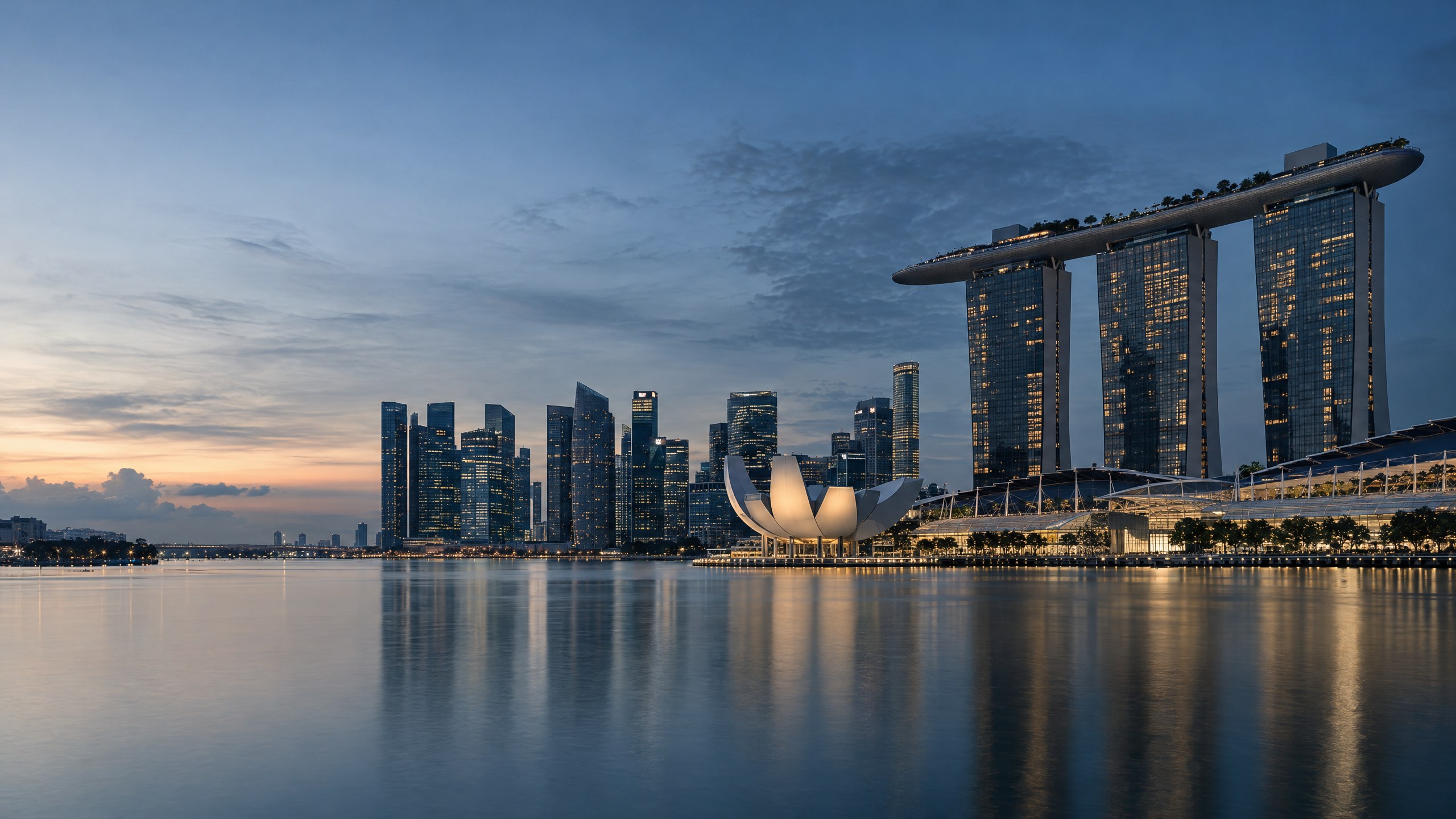
The legal and regulatory framework for trade finance in Singapore
Most trade finance instruments are governed by contract, by the International Chamber of Commerce (ICC) rules that the parties incorporate, and by Singapore case law. There is no single trade finance statute, but several laws matter.
ICC rules
Documentary credits almost always incorporate the ICC Uniform Customs and Practice for Documentary Credits (UCP 600), with the International Standard Banking Practice publication guiding document examination. Standby letters of credit commonly use the International Standby Practices (ISP98) or UCP 600; demand guarantees use the Uniform Rules for Demand Guarantees (URDG 758); collections use the Uniform Rules for Collections (URC 522). These rules apply because the instrument says so, so the incorporation wording and any exclusions matter.
Singapore statutes
The Electronic Transactions Act 2010, amended to recognise electronic transferable records, allows electronic bills of lading and other transferable documents to be used in Singapore-law transactions. The Companies Act 1967 requires certain charges created by companies to be registered with ACRA, generally within 30 days of creation, failing which the charge may be void against a liquidator and other creditors. The Bills of Exchange Act 1949 governs drafts and promissory notes used in trade.
Regulation and AML/CFT
Banks, merchant banks and finance companies providing trade finance are regulated by MAS and must apply AML/CFT controls and targeted financial sanctions. MAS's guidance on AML/CFT controls in trade finance and correspondent banking sets expectations for due diligence on trade transactions, including checks on unusual pricing, goods, routes and parties, and MAS's targeted financial sanctions rules require screening of parties. Those expectations explain many of the questions banks put to their trading customers.
Government support exists for smaller firms: Enterprise Singapore runs the Enterprise Financing Scheme, which includes risk-sharing with participating lenders for trade loans.
| Instrument | Usual rules | Bank pays against | Key drafting point |
|---|---|---|---|
| Documentary letter of credit | UCP 600 | Complying presentation of specified documents | Documents must be obtainable and match the sale contract |
| Standby letter of credit | ISP98 or UCP 600 | Demand and any specified statement of default | Expiry, conditions of drawing and partial drawings |
| Demand guarantee | URDG 758 | Complying demand with supporting statement | Expiry, reduction mechanism and governing law |
| Documentary collection | URC 522 | No bank undertaking; documents released against payment or acceptance | Instructions to the collecting bank |
| Receivables finance | Contract; sometimes factoring standards | Assigned or purchased receivables | Assignability, notice to debtors, recourse and dilution |
| Borrowing base and inventory finance | Facility agreement | Eligible inventory and receivables | Eligibility criteria, warehouse arrangements, security perfection |
Letters of credit: getting paid
A letter of credit is a bank's undertaking to pay against documents that comply with its terms. It is independent of the sale contract: the bank does not ask whether the goods were good, only whether the documents comply. That autonomy is what makes the instrument valuable, and it is also why a minor discrepancy can block payment.
Under UCP 600, a bank has a maximum of five banking days following the day of presentation to decide whether a presentation complies. If it refuses, it must give a single notice listing all discrepancies; discrepancies not listed cannot be raised later. Sellers who understand these rules can often turn a rejected presentation into payment by correcting documents within the validity period or by insisting the bank meets its own obligations.
The commonest discrepancies are mundane: descriptions on the invoice that do not match the credit, late shipment or late presentation, inconsistent quantities or weights across documents, missing endorsements on bills of lading, and certificates issued by the wrong party. A pre-shipment review of the credit against what the seller can actually produce prevents most of them.
Transferable and back-to-back credits
Intermediaries are common in trade finance in Singapore: a Singapore trader buys from a manufacturer and sells to an end buyer without handling the goods. Two structures let it use the end buyer's credit to pay its supplier. A transferable credit, where the issuing bank permits it, lets the trader transfer part of the credit to the supplier and substitute its own invoice. A back-to-back credit is a separate new credit issued for the supplier on the strength of the incoming one. Back-to-back structures leave the trader exposed if the two credits do not match exactly in documents, dates and shipment terms, so both must be drafted together.
In trade finance the bank never sees the cargo. It sees paper, or its electronic equivalent, and it pays or refuses on that alone. The documents are the deal.
Guarantees, standbys and the injunction question
Performance bonds, advance payment guarantees, standbys and similar instruments are payable on demand, usually without proof of default. The beneficiary's call is generally honoured if it complies with the instrument's terms. The party who procured the instrument often wants to stop a call it considers unjustified.
Applicants should negotiate the instrument before it is issued rather than after a dispute arises. Points worth fighting for include a requirement that any demand state the specific breach relied on, a cap that reduces as milestones are met, a clear expiry date and a governing law the applicant understands. Beneficiaries, conversely, want simple demand wording that a bank will pay without argument.
Singapore law is distinctive here. Besides fraud, Singapore courts recognise unconscionability as a ground to restrain a call on a performance bond, as the Court of Appeal confirmed in BS Mount Sophia Pte Ltd v Join-Aim Pte Ltd [2012] SGCA 28. The threshold is high, and parties can contractually exclude the unconscionability ground in some cases. Beneficiaries and applicants should both understand how the instrument's wording and governing law affect this. Where an urgent application is needed, our injunctions and urgent relief team coordinates the response, working alongside Singapore-qualified counsel for court representation.
Facility documentation and security
Behind individual instruments sits a facility agreement and a security package. For trade finance in Singapore, the documents typically include:
Facility agreement
Sets limits and sub-limits for each product, pricing, conditions precedent, covenants, events of default and the bank's discretion to refuse individual transactions. Uncommitted facilities give the bank wide freedom to decline.
Security over goods and documents
Pledges over documents of title, trust receipts allowing the borrower to sell pledged goods as the bank's trustee, and charges over inventory. Perfection and registration requirements must be met.
Receivables assignments
Assignments of sale proceeds and receivables, with notice to buyers where needed, and collection account arrangements that keep proceeds identifiable.
Warehouse and collateral management
Tripartite agreements with warehouse operators or collateral managers to confirm the bank's control over stored goods and the issue of warehouse receipts.
Guarantees and support
Parent company guarantees, standby support or credit insurance assignments that improve the bank's recovery position.
Reporting and borrowing base
Periodic stock and receivables reports, mark-to-market of commodity collateral and audit rights, which drive availability under the facility.
Charges created by a Singapore company that fall within the registrable categories in the Companies Act must be registered with ACRA within the time limit. Missing that deadline is one of the few mistakes in trade finance that cannot easily be fixed. For the broader lending side, see our banking and finance practice.
Supply chain finance and receivables programmes
Open-account trade has grown, and with it receivables and payables finance. In a payables programme, a large buyer arranges for a bank to pay its suppliers early at a discount, based on invoices the buyer has approved. In receivables finance, a seller sells or assigns its invoices to a financier. The legal questions are whether receivables can be assigned despite any contractual restriction, whether notice must be given to the debtor, how disputes and credit notes (dilution) are handled, and whether the financier has recourse to the seller.
Accounting and disclosure treatment also matters, because some payables programmes can look like borrowing. Corporate treasurers using these tools for trade finance in Singapore should align the legal documents with the intended accounting outcome and with disclosure expectations, and should understand what happens if the programme is withdrawn suddenly.
The documentary credit lifecycle: step by step
- Agree payment terms in the sale contract. Specify the type of credit, issuing or confirming bank standard, expiry, latest shipment date, documents and who pays charges. Our international trade contracts team aligns the contract with the credit.
- Review the issued credit. On receipt, check every term against the contract and the seller's ability to produce each document. Request amendments immediately.
- Consider confirmation. If the issuing bank or country risk is a concern, obtain confirmation from a bank in Singapore so payment does not depend solely on the issuer.
- Prepare documents carefully. Produce invoices, transport documents, insurance and certificates that are consistent with the credit and each other. Use checklists for repeat trades.
- Present within time. Present before expiry and within the period after shipment that the credit or UCP 600 allows.
- Manage refusals. If discrepancies are notified, check that the notice complies with UCP 600, cure documents where possible, or seek the applicant's waiver.
- Reconcile and archive. Record the payment, keep the full presentation set and note lessons for the next credit.
Documents and evidence
Banks and courts look at the paper trail. Keep, for each financed trade:
- The sale contract and the credit, guarantee or facility drawing request, with all amendments.
- The full presentation: invoices, bills of lading or air waybills, insurance documents, inspection and origin certificates.
- Bank correspondence, examination notices and any waiver from the applicant.
- Warehouse receipts, collateral manager reports and stock reconciliations for inventory finance.
- Evidence of charge registration, notices of assignment and acknowledgements.
- KYC, sanctions screening and pricing evidence supplied to the bank, which supports the bank's own AML/CFT checks.
Electronic bills of lading and other digital trade documents are legally recognised in Singapore, but a credit only allows electronic presentation if it says so, typically by incorporating the ICC's electronic supplement. Before moving a trade to digital documents, confirm that the credit, the issuing and confirming banks, the carrier and the insurer can all work with the chosen platform.
Risks and common mistakes
Duplicate financing and document fraud
The high-profile failures of commodity traders in Singapore in 2020 exposed cases where the same cargo or receivable was financed by more than one bank, and where documents did not reflect real goods. Banks have responded with tighter checks, more use of digital document platforms and closer monitoring of collateral. Traders should expect detailed questions, provide consistent information to every lender, and treat any request to re-use documents or present them to multiple banks as a serious warning sign.
Credits that cannot be complied with
A credit that requires a document the seller cannot produce, such as a certificate signed by the applicant, or a shipment date that is already unrealistic, gives the buyer an option not to pay. These clauses are sometimes inserted deliberately. Review every credit against the seller's operational reality on receipt and refuse to ship until problematic terms are amended. Shipping first and hoping for a waiver transfers leverage to the buyer.
Unregistered or unperfected security
Security that is not registered with ACRA when required, or not perfected under the law of the place where the goods or receivables are located, may fail on the borrower's insolvency, precisely when it matters. Lenders should track registration deadlines from the date each charge is created, and borrowers should understand which of their assets are already encumbered before granting further security.
Sanctions and AML holds
Banks may refuse or delay payment under a credit or guarantee if a party, vessel or route raises sanctions or AML concerns, and many credits now include sanctions clauses giving the bank discretion. This can leave a seller who has shipped unpaid. Screen counterparties and vessels before contracting, provide banks with clear information early, and allocate the risk of a sanctions-related refusal in the sale contract. Our sanctions team advises on these issues.
Open-ended guarantees
Guarantees without a clear expiry date, or with automatic extensions, can leave the applicant exposed long after the underlying contract ends and tie up its facility lines. Insist on a fixed expiry, a reduction mechanism as performance progresses, and a requirement that the original be returned or the guarantee released on completion. Consider the governing law, because it affects how calls can be challenged.
The cross-border angle
Bangladesh. Bangladesh imports and exports rely heavily on letters of credit, including back-to-back and deferred payment credits in the garment sector, under Bangladesh Bank rules and UCP 600. Singapore traders selling into Bangladesh often seek confirmation from a Singapore bank to manage issuing bank and foreign exchange risk. TRW & Co's Dhaka and Chattogram teams advise on the Bangladesh side.
China. Chinese banks are major issuers of credits for commodity imports. PRC courts have their own approach to letter of credit fraud, and Chinese foreign exchange rules can affect payment timing.
UAE and UK. Dubai is a hub for commodity trade finance with Singapore, and English law often governs syndicated trade facilities and guarantees. Where Singapore court or tribunal representation is required, we work alongside Singapore-qualified counsel and coordinate local counsel in each jurisdiction.
How TRW & Co helps with trade finance in Singapore
Facility review
We review and negotiate trade facility agreements, security packages and intercreditor terms for traders and corporate borrowers.
Instrument drafting
We draft and review credits, standbys, guarantees and counter-guarantees, focusing on expiry, conditions of drawing and governing law.
Payment disputes
We advise on refused presentations, disputed calls and fraud allegations, and coordinate litigation or arbitration strategy.
Distress and recovery
When a counterparty or borrower is in difficulty, we work with our debt restructuring team on enforcement of security and claims.
See our practices for related work, read our guide to trade documentation, or contact us to discuss a facility or instrument.
Checklist for decision-makers
- Does every sale contract specify the payment instrument, documents and timing that the credit must reflect?
- Do we review each credit on receipt and request amendments before shipment?
- Do our guarantees have fixed expiry dates and reduction mechanisms?
- Have all registrable charges been registered with ACRA on time?
- Can we produce consistent information for every lender, with no risk of duplicate financing?
- Are parties and vessels screened before contracting, and is sanctions risk allocated in our contracts?
- Are our banks, carriers and insurers ready for electronic documents if we intend to use them?
- Does management understand our total exposure under trade finance in Singapore and abroad?
Trade finance in Singapore rewards preparation. Businesses that keep their facility terms, instrument templates and document checklists current, and that give their banks consistent and complete information, are paid faster, borrow on better terms and are in a stronger position when a counterparty or a market turns against them.
Frequently asked questions
01Why was our letter of credit presentation rejected for minor discrepancies?
Because banks examine documents, not goods, and the credit is independent of the sale contract. Under UCP 600 the bank checks whether the documents comply on their face with the credit and international standard banking practice. Inconsistencies in descriptions, dates, quantities or endorsements can justify refusal. Check that the refusal notice was given within five banking days and listed all discrepancies, see whether documents can be corrected before expiry, and ask the applicant to waive. Then fix the process so the issue does not recur.
02Can we stop a beneficiary calling our performance bond?
Sometimes. Singapore courts can restrain a call on a performance bond where there is fraud or, distinctively, unconscionability, as the Court of Appeal confirmed in BS Mount Sophia v Join-Aim [2012] SGCA 28. The threshold is high: a mere dispute about performance is not enough. Some bonds exclude the unconscionability ground, and the instrument's governing law matters. Applications are urgent, so gather the contract, correspondence and evidence of the beneficiary's conduct as soon as a call looks likely.
03Should we ask for a confirmed letter of credit?
Confirmation adds a second bank's undertaking, usually a bank in the seller's country, so the seller can be paid even if the issuing bank or its country fails or imposes payment restrictions. It costs a fee, which the contract should allocate. It is worth considering where the issuing bank is unfamiliar, country or foreign exchange risk is significant, or the amount is large relative to the seller's balance sheet. Silent confirmation, arranged without the issuing bank's request, is another option with different legal effects.
04Why does our bank ask so many questions about our trades?
MAS expects banks providing trade finance to apply AML/CFT controls and targeted financial sanctions screening, and has issued guidance on controls in trade finance and correspondent banking. Banks therefore check whether prices are in line with the market, whether goods and routes make sense, who the parties and vessels are, and whether documents are consistent. Providing clear, consistent information early speeds approvals. Inconsistent answers across banks are a red flag, especially after past cases of duplicate financing.
05Do we need to register security given for trade finance?
Often, yes. The Companies Act 1967 requires certain charges created by Singapore companies to be registered with ACRA, generally within 30 days of creation. An unregistered registrable charge may be void against the liquidator and other creditors, though the debt itself survives. Whether a particular arrangement, such as a pledge of documents or a trust receipt, is registrable depends on its nature, so take advice. Security over assets abroad may also need local perfection.
06Can we use electronic bills of lading in a letter of credit transaction?
Legally, yes: the Electronic Transactions Act 2010 recognises electronic transferable records, subject to reliability requirements. Practically, the credit must allow electronic presentation, usually by incorporating the ICC's electronic supplement to UCP, and the issuing and confirming banks, carrier and insurer must all use compatible platforms. Check those points before agreeing to electronic documents in the sale contract, and keep a fallback for paper presentation if a party cannot accept them.
Sources and official materials
- Electronic Transactions Act 2010 — Electronic transferable records
- Companies Act 1967 — Registration of charges with ACRA
- MAS: Guidance on AML/CFT controls in trade finance — Bank expectations for trade transactions
- MAS: Targeted Financial Sanctions — Sanctions screening duties for banks
- International Chamber of Commerce — UCP 600, URDG 758, ISP98 and URC 522
- Enterprise Singapore — Enterprise Financing Scheme for trade loans
General information only, current as at 20 October 2026. It is not legal advice and does not create a lawyer–client relationship. Singapore law and regulatory practice change; check current official sources and take advice on the facts of your matter.